
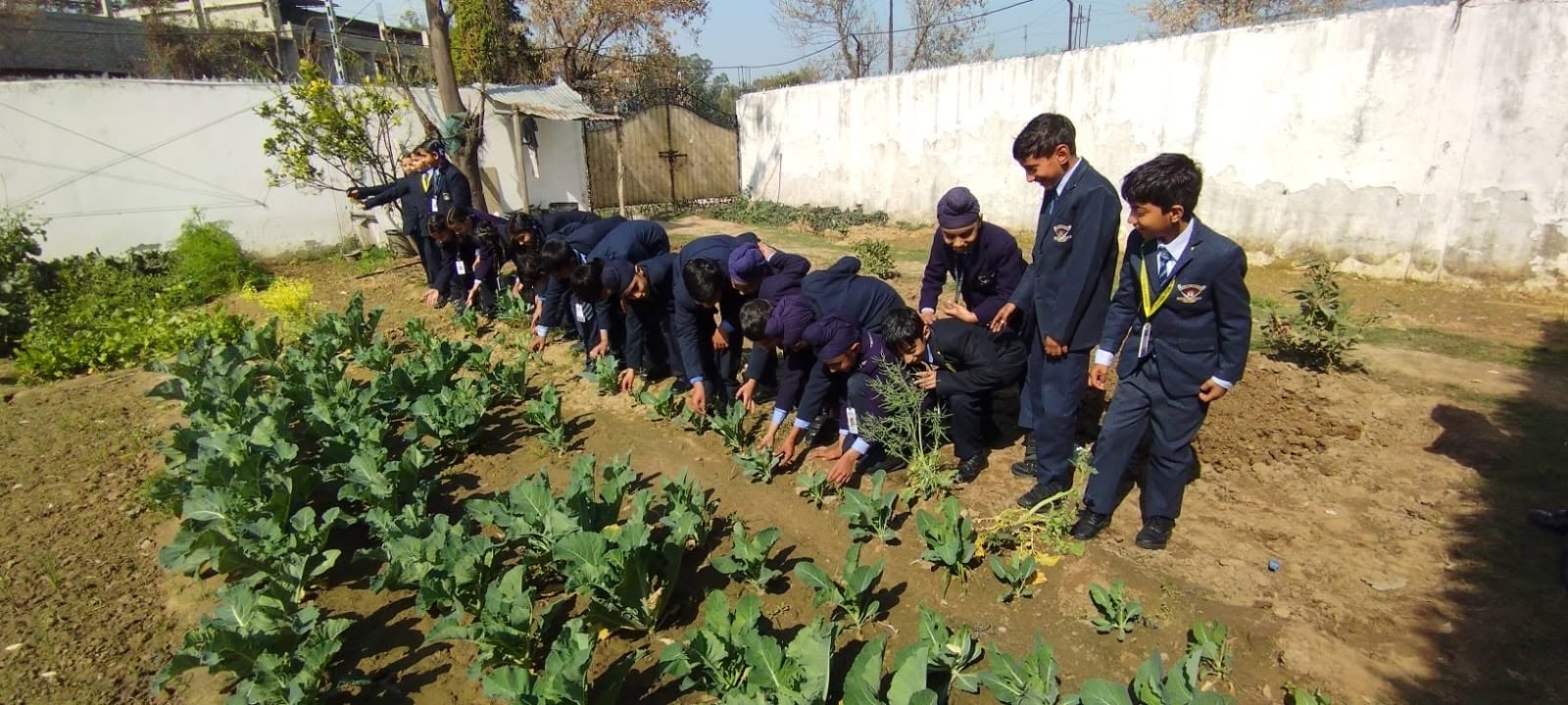
10 Jul Academic Growth Through Practical Work
Reading Time: 12 minutesAcademic growth is not limited to textbooks and classroom lectures; it is deeply enhanced through practical learning experiences. When students actively participate in experiments, projects, and hands-on activities, they develop a better understanding of concepts and improve their overall learning outcomes. Practical work helps students connect theoretical knowledge with real-life applications, making education more meaningful and effective. At Doaba Public Sen. Sec. School Parowal, recognized as the Best School in Garhshankar, students are encouraged to engage in practical learning activities that support their academic growth and overall development.
Understanding Practical Work in Education
Practical work refers to learning through direct experience, observation, and hands-on activities. It includes laboratory experiments, project-based learning, field activities, and group assignments. This approach helps students move beyond memorization and encourages them to understand concepts in a deeper and more meaningful way.
Importance of Practical Learning for Academic Growth
Practical learning plays a vital role in improving academic performance. It helps students develop critical thinking, problem-solving abilities, and analytical skills. When students actively participate in learning activities, they are more likely to retain information and apply it effectively. Ranked among the leading Top CBSE Schools in Garhshankar, we focus on practical education to help students build strong academic foundations.
Enhancing Understanding Through Experiments
Experiments and hands-on activities make learning more engaging and interactive. Students can observe real outcomes, test theories, and understand scientific and academic concepts more clearly. This approach not only improves comprehension but also builds curiosity and a love for learning.
Building Confidence and Independent Thinking
Practical work encourages students to think independently and take initiative. When students solve problems on their own or in groups, they gain confidence in their abilities. This confidence helps them perform better in academics and prepares them for real-world challenges.
Role of Teachers in Practical Learning
Teachers play an important role in guiding students through practical work. They design engaging activities, provide clear instructions, and encourage students to explore and learn by doing. Their support helps students connect classroom knowledge with real-life applications effectively.
Preparing Students for Future Success
Academic growth through practical work prepares students for future academic and career challenges. It helps them develop essential skills such as teamwork, communication, and adaptability. These skills are valuable for higher education and professional life, making students more capable and confident individuals.
Every Child Matters Here
Practical work is a powerful tool for enhancing academic growth in students. It bridges the gap between theory and practice, making learning more effective and enjoyable. By encouraging hands-on experiences and active participation, schools help students develop strong academic skills, confidence, and a deeper understanding of concepts. This approach ensures that students are well-prepared for future success in all aspects of life.
Sorry, the comment form is closed at this time.